Open House Follow-Up: Sort Sign-Ins Before You Send
Open house follow-up works when you sort before you send. Three questions at the door split sign-ins into four groups: buyers moving soon, buyers still looking, neighbors, and visitors who already have an agent. Each gets a different first email with one ask, sent the same day, and the neighbors go into seller follow-up rather than buyer drip.
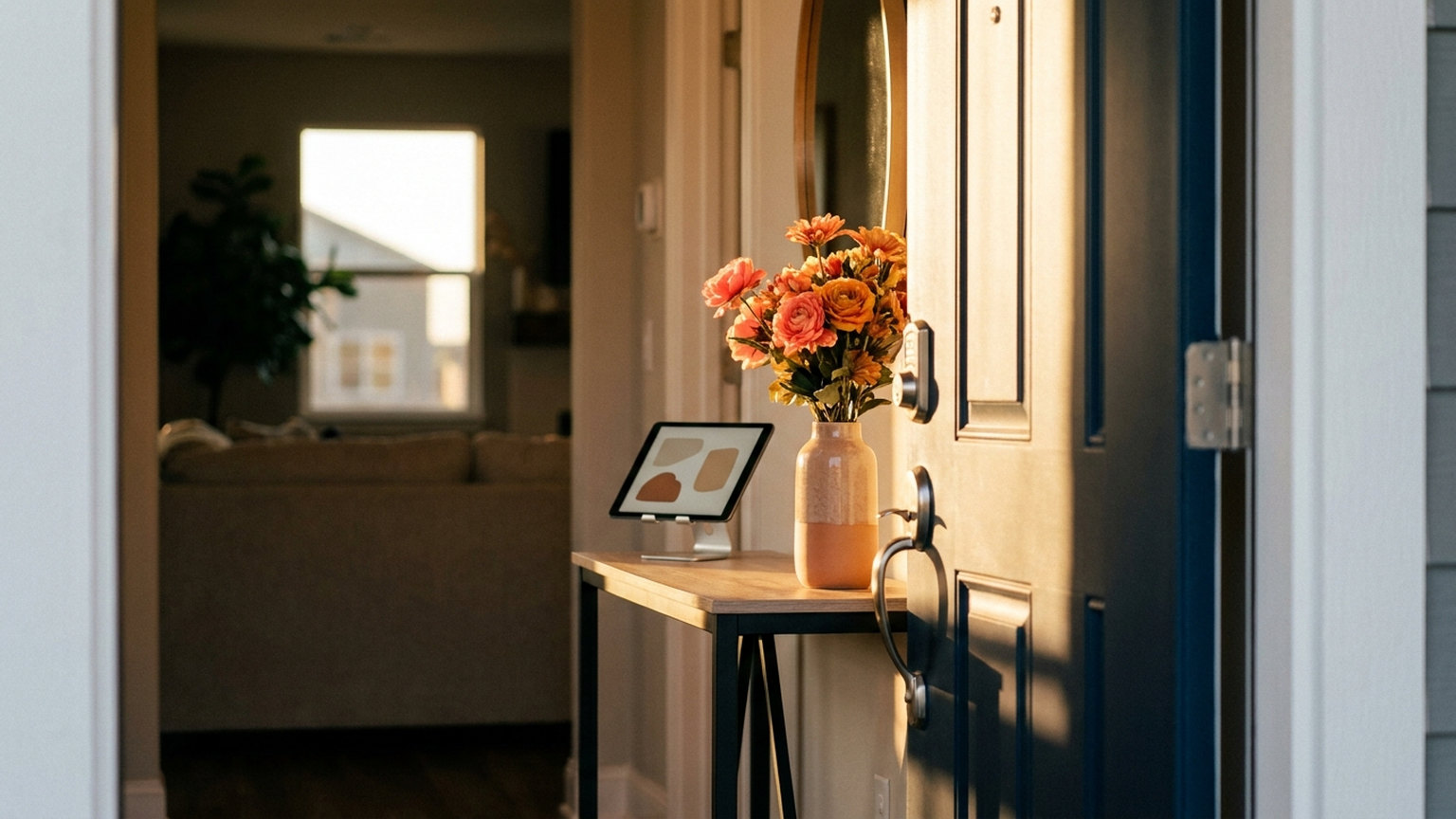
The neighbor from three doors down and a couple who could buy this exact house next month can sign the same open house sheet two minutes apart. Most follow-up sends both of them the same email the next morning, and it lands wrong for each.
The couple wanted a second look and got a newsletter. The neighbor never wanted to buy anything; they came to see the kitchen, because this listing’s price says something about their own house. “Thanks for stopping by, let me know if you have questions” answers neither of them.
The fix is cheap: three questions at the door and four short emails.
The four people on every sign-in sheet
Open houses draw a mixed crowd, and the mix is the whole problem. Sort a sign-in list by the three questions in the next section and every name lands in one of four groups. Each group wants something different from you in the next 24 hours.

| Group | How you know | What they want next | The one ask |
|---|---|---|---|
| Buyer, moving soon | Buyer, timeline 0–3 months, no agent | Another look before someone else gets there | “What day works for a private second look?” |
| Buyer, still looking | Buyer, longer or no timeline, no agent | Help comparing, without pressure | “Want me to send homes like this one?” |
| Neighbor | Said they live nearby | What this listing means for their own house | “Would a comparison with your home be useful?” |
| Has an agent | Said yes to “working with an agent?” | The facts, delivered through their agent | “Please share this file with your agent.” |
Each email asks for one thing, sized to how ready the person is. Asking a browser to book a showing is too big. Asking a ready buyer if they would “like more information” is too small.
Three questions at the door do the sorting
You can only sort on what you asked. These three questions are enough, and they are all tap-to-answer, so they cost a visitor a few seconds:
- “Are you here as a buyer, or from the neighborhood?” Ask it first. It is the easiest question on the form and it splits the list into buyer and seller follow-up immediately.
- “How soon are you looking to move?” Offer ranges (just browsing, 0–3 months, 3–6, 6–12, 12+). A range is easier to answer honestly than a date.
- “Are you working with an agent?” Yes or no. This is the most valuable answer on the sheet, for reasons covered below.
Then stop. Pre-approval, budget and current address are personal enough on a first contact that people skip the form or answer carelessly. We left all three off the default open house form we built for that reason.
One more rule for the door: retire the clipboard. A paper sheet shows every visitor the details of everyone before them and gives nobody a reason to write a real number. Have people sign in on their own phones, and email them something real the moment they submit, like the property sheet. For the junk that still gets through, see our post on lead form spam.
Sort the visitor with an agent first
Start with the “yes, I have an agent” group, because it is the one where a friendly email can cause a real problem.
If you are a REALTOR®, Article 16 of the NAR Code of Ethics bars actions inconsistent with another REALTOR®’s exclusive representation agreement. Its Standard of Practice 16-13 says dealings with a buyer under an exclusive agreement go through that buyer’s representative, except with the representative’s consent or where the buyer starts the conversation. It also tells you to ask prospects whether they are party to one before providing substantive services, which is exactly what the third door question does.
So keep this follow-up short and generous: send the property details they signed in for, suggest they pass the file to their agent, and offer to coordinate any second look through that agent. No buyer drip. Your brokerage and state rules decide the finer points; this is a working pattern, not legal advice.
Buyers without an agent: the conversation is still open
Since the 2024 settlement changes, the open house is one of the few places you can still meet a buyer before any paperwork. NAR’s consumer guide to open houses says a buyer simply visiting an open house does not need to sign a written buyer agreement, and the agent hosting it is not required to have one with the people touring.
The same guide marks where that ends. A buyer is “working with” an agent as soon as the agent starts providing services such as identifying properties and arranging tours, and the written agreement should be signed before the first house you tour together. So if your “moving soon” email turns into a request to see three other homes, have the agreement ready before the first of those tours, not after.
For the “still looking” group, keep the first email small: offer similar homes, and let a two-word reply be enough. Then nurture on a real cadence; our guide to follow-up timing covers spacing, and these SMS templates include open house versions if they gave you a mobile number.
Neighbors are seller leads, so treat them that way
The neighbor group gets wasted because it does not look like buyer traffic. It is not buyer traffic. A homeowner who walks down the street to see a listing is measuring their own house against it.
That matters because of how sellers pick agents. In NAR’s 2024 Profile of Home Buyers and Sellers, 81% of recent sellers contacted only one agent before finding the agent they sold with. The neighbor who signed your sheet has now met an agent who knows their street.
Do not send them a listing pitch. Offer the thing they actually came for: a comparison between this listing and their home, using the recent sales nearby. Then move them out of buyer follow-up entirely and into a slower seller rhythm. Our post on catching leads before they cool is a good model for spacing that out over months.
Send the first email the same day
The timing rule is simple: the first email goes out within a few hours of the open house, while the visitor still remembers which house had the good kitchen. Not the next morning, and not Monday.
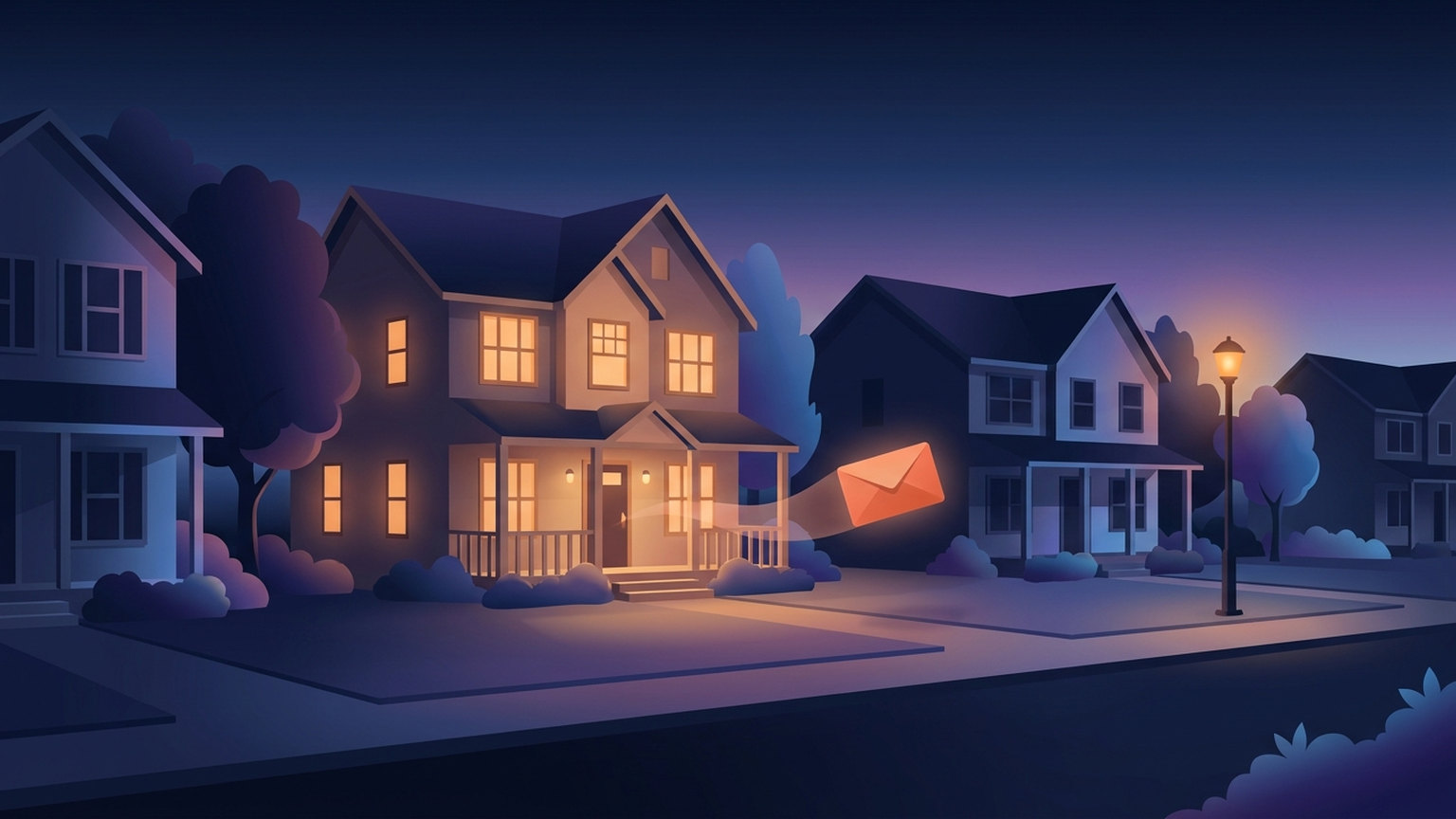
The reason is partly about you. Researchers writing in the Journal of Marketing gave a name to the leads sales reps never get to, “the sales lead black hole”, which they describe as the 70% of marketing-generated leads that reps do not pursue, and they suggest it may come from competing demands on reps’ time. That study covered business-to-business sales reps, not real estate, but anyone who has hosted on a Sunday and lost Monday to a closing knows how a sign-in list goes stale.
Same-day does not mean late-night. A follow-up arriving at 10:45 p.m. reads as automated, whether or not it is.
The 24-hour open house checklist
- Before you leave the house: add a one-line note to each person you actually spoke with (“asked about the school boundary,” “relocating from Denver”). The note is what turns the next email from a template into a reply.
- Within a few hours: the first email goes to every sign-in, sorted into the four versions above.
- That evening: call or text the “moving soon” buyers without an agent. This is the group worth your phone time.
- Next day: send each neighbor their comparison, and tag them so they land in seller follow-up instead of buyer drip.
- Next day: send your seller a recap of the event. Counts and the questions visitors asked are what they want; visitor names are not yours to share.
- Within the week: check that every sign-in reached Follow Up Boss with the right source and agent, and that your rules fired for them. Here is how to check who your automations reach.
How Follow Up Ace runs this inside Follow Up Boss
We built this workflow into Ace’s Open House Sign-In, one of the Lead Magnets every account can use. Visitors sign in on their own phones from a door-sign QR code, or on your iPad in kiosk mode, and the property’s Home File is emailed to them right away. The default form asks exactly the three questions above.
Each sign-in lands in Follow Up Boss as a “Visited Open House” event with the visitor’s answers in its description. About two hours after sign-in, by default, the form’s automatic follow-up emails each visitor one of four versions chosen from their answers, the same four groups as the table above. That email sends without a per-message approval. You can change the delay, rewrite the copy for any form, or switch the follow-up off. If you jot a quick note on a visitor from the Ace Companion app, it is added to that person’s Follow Up Boss timeline.
Two free Ace Smart Lists pick up where the email leaves off: Unrepresented Buyers (open house), for visitors who said they are not working with an agent, and Neighbors Who Signed In, for your seller pipeline. Both can be deployed into your Follow Up Boss once your first sign-in has created the Ace fields they filter on. For the seller, there is a recap built from the event: counts, reactions and the questions visitors asked, with no visitor names in it.
What it does not do
- The automatic follow-up is email only. It does not text, and it does not call. The phone call to your ready buyers is still yours, and it should be.
- It sorts on what visitors told it. Someone who ticks “live nearby” generally gets the neighbor email even if they are also house-hunting, so glance through the neighbor list yourself.
- It does not know budget or pre-approval. The form does not ask, on purpose. That stays a second-conversation question.
- It cannot follow up on a paper sheet. Only people who signed in through the form get the Home File and the follow-up.
- A free account runs one active sign-in form at a time. Teams hosting several open houses a weekend will want a paid seat, which raises the limit.
Frequently asked questions
How soon should I follow up after an open house?
The same day, within a few hours of the event ending, and early evening rather than late at night. The visitor still remembers the house, and you are not relying on finding time on Monday.
Should I follow up with visitors who already have an agent?
Yes, briefly. Send the property details they asked for and suggest they share them with their agent. If you are a REALTOR®, Standard of Practice 16-13 of the NAR Code of Ethics says further dealings go through their agent unless the agent consents or the buyer starts the conversation.
Do open house visitors have to sign a buyer agreement?
Not to visit. NAR’s consumer guide says a buyer visiting an open house does not need a written buyer agreement. Once you start identifying homes or arranging tours for them, they are working with you, and the agreement comes before the first tour together.
See the open house sign-in
How the door sign, the Home File and the automatic follow-up fit together. Every Follow Up Ace account can run one sign-in form free.
See Open House Sign-In